


what colors are axolotls


The Colorful World of Axolotls: A Ranking of Their Unique Colors
Axolotls, the enchanting amphibians known for their ability to regenerate limbs and unique appearance, come in a variety of stunning colors. Each hue not only adds to their charm but also reflects their genetic makeup and breeding practices. In this blog post, we’ll rank the different colors of axolotls based on their popularity, rarity, and overall appeal.
1. Leucistic Axolotls
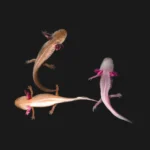
Leucistic axolotls are perhaps the most popular variety found in captivity. Their pale pink skin, dotted with small black freckles, gives them a unique and striking appearance. This color is a result of a genetic mutation that reduces pigmentation, making them a favorite among aquarists.
Why They’re Popular:
- Aesthetic appeal: The light coloration showcases their delicate features, especially their feathery gills.
- Availability: Due to their popularity, they are commonly bred and easy to find in pet shops.
2. Golden Albino Axolotls
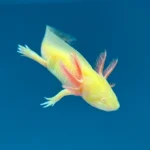
The golden albino axolotls have a stunning, bright yellow hue with red or pink eyes. Their vibrant color and unique look make them a favorite among viewers and collectors alike. This variant is a product of selective breeding aimed at enhancing pigmentation.
Characteristics:
- Bright and cheerful appearance.
- Eyecatching color contrasts with the usual dark backgrounds in aquariums.
3. Melanoid Axolotls
Melanoid axolotls are characterized by their dark, almost black pigmentation. This variety lacks the typical shine of other axolotl colors, giving them an unusual and mysterious appearance.
Highlights:
- Rare beauty: Their unique color sets them apart from the more common lighter hues.
- Their dark skin creates a dramatic contrast when paired with colorful plants in aquariums.
4. Wild Type Axolotls
Wild type axolotls feature a more natural coloration with a dark brown or greenish hue and mottled patterns. This coloration helps them blend into their natural habitat, an environment of dark waters and muddy substrates.
User Appeal:
- Naturalistic aesthetics: Enthusiasts often prefer this look for a more authentic representation of axolotls in their natural habitat.
- Affordability: Wild types are typically more accessible than the rarer color variants.
5. Piebald Axolotls
Piebald axolotls exhibit a breathtaking mix of colors, often showcasing patches of white and dark skin. This unique pattern makes each piebald axolotl distinct.
Unique Feature:
- Each axolotl is truly one-of-a-kind due to their varying patterns, making them exciting for collectors.
6. Copper Axolotls
Copper axolotls are a rare variant that has a reddish-brown color, resembling the metallic hue of copper. They are distinctive and captivating but are not as commonly seen as other types. axolotl for sale
Rarity:
- Not widely available: Due to their specific breeding requirements, they tend to be harder to find, often coveted by enthusiasts willing to seek them out.
Conclusion
Axolotls are not only fascinating due to their regenerative abilities but also for their diverse colors. The ranking of these colors reflects their popularity and rarity, with leucistic and golden albino being the front-runners in the pet trade. Whether you’re an experienced axolotl keeper or just starting your journey, the broad spectrum of colors ensures there’s an axolotl to suit every aesthetic preference.
Explore the colorful world of axolotls, and you might just find the perfect little companion to brighten up your aquarium! Do Axolotls Lay Eggs