


do axolotls lay eggs

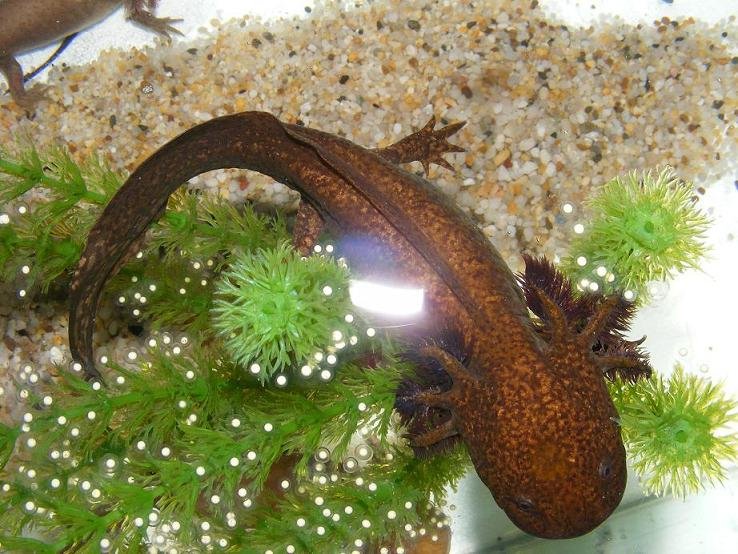
Do Axolotls Lay Eggs? A Comprehensive Guide to Axolotl Reproduction
Axolotls (Ambystoma mexicanum) have captivated scientists, pet enthusiasts, and casual observers alike with their perpetual juvenile features, remarkable regenerative abilities, and endearing smiles. Among the many fascinating aspects of these aquatic salamanders is their unique reproductive process. A common and important question for potential breeders and curious minds is: Do axolotls lay eggs?
The short answer is yes, axolotls are oviparous, meaning they reproduce by laying eggs. However, the full story of how, when, and why they do so is a captivating glimpse into their biology. This guide will answer all your questions about axolotl reproduction, from courtship to hatching.
1. How Do Axolotls Reproduce?
Axolotls engage in internal fertilization, but unlike mammals, the process is indirect. The male does not directly transfer sperm to the female. Instead, he performs a courtship “dance,” leading the female around the tank. He then deposits packets of sperm called spermatophores on the tank floor or decorations. The female follows, picks up these spermatophores with her cloaca (a multi-purpose reproductive opening), and fertilization occurs internally. Several hours to a day or two later, she begins laying the fertilized eggs.
2. What Do Axolotl Eggs Look Like?
Axolotl eggs are small, spherical, and jelly-like. They are typically 1.5 to 2 mm in diameter. When first laid, they are clear or have a whitish hue. As the embryo develops over the next 10-14 days, you can see a tiny dark spot (the developing larva) inside. They are laid individually and stick firmly to surfaces like plants, rocks, or aquarium glass via their adhesive coating.
3. How Many Eggs Do They Lay?
A single clutch from a healthy, mature female can be surprisingly large. She can lay anywhere from 100 to over 1,500 eggs in one breeding event. This high number is a survival strategy in the wild, as not all eggs or larvae will reach adulthood due to predation and environmental factors.
4. What Are the Key Requirements for Breeding?
Breeding axolotls requires specific conditions:
-
Age & Health: They should be at least 18 months old and in prime health.
-
Cooling Period: Mimicking their natural seasonal cycle often involves a simulated “winter.” This is done by gradually lowering the water temperature to around 15-17°C (59-63°F) for several weeks, followed by a gradual warming.
-
Proper Environment: A spacious, clean tank with plenty of hiding spots and surfaces (like live or artificial plants) for egg deposition is crucial.
-
Nutrition: Both male and female should be fed a nutritious, high-protein diet (e.g., earthworms, high-quality pellets) in the weeks leading up to breeding to ensure they have ample energy reserves. Axolotl for sale.
5. What Happens After the Eggs Are Laid?
This is a critical stage for breeders. For the best survival rate:
-
Separation: The adult axolotls should be removed from the breeding tank, as they will readily eat their own eggs and hatchlings.
-
Incubation: The eggs need clean, well-oxygenated water at a stable temperature of 16-18°C (61-64°F). Do Axolotls Lay Eggs Warmer water speeds up development but increases the risk of fungal growth.
-
Monitoring: Unfertilized or dead eggs will turn opaque white and may develop fungus. These should be carefully removed with tweezers to prevent the fungus from spreading to healthy eggs.
6. When Do the Eggs Hatch?
Under ideal conditions, axolotl eggs will hatch in approximately 10 to 14 days after being laid. The newly hatched larvae are tiny (about 1 cm long), have external gills, and will survive off their yolk sac for the first 24-48 hours before needing to be fed.
FAQs: Your Top Questions Answered
Q: Can a single axolotl lay eggs?
A: Yes, a female can lay eggs without a male present, but these will be unfertilized and will not develop. This is similar to a chicken laying an infertile egg.
Q: How often do axolotls lay eggs?
A: In captivity, with proper conditioning, a healthy female can breed 2-3 times per year. It is essential to give her ample time (several months) to recover between clutches to prevent exhaustion and health deterioration.
Q: Do axolotls care for their eggs?
A: No. Axolotls exhibit no parental care. In fact, as mentioned, they are cannibalistic and will consume their own eggs and offspring if left together. Survival in the wild depends on the eggs being hidden and their large numbers.
Q: What should I feed axolotl larvae?
A: After absorbing their yolk sac, they require live, microscopic food such as baby brine shrimp (newly hatched) or microworms. As they grow over the following weeks, they can be transitioned to larger foods like daphnia and eventually chopped bloodworms.
Conclusion: A Delicate Miracle
Axolotls do indeed lay eggs, and witnessing their life cycle—from the intricate courtship dance to the hatching of hundreds of tiny larvae—is one of the most rewarding experiences for an aquatic hobbyist. However, it is a process that demands preparation, commitment, and a focus on the health of both the adults and the fragile offspring.
Responsible breeding is key. Given the large number of eggs produced, prospective breeders should have a plan for housing and finding appropriate homes for the juveniles. By understanding and respecting this remarkable reproductive process, we can ensure the continued well-being and fascination of these unique “Mexican walking fish” for generations to come.